
Broken or Failing Motor
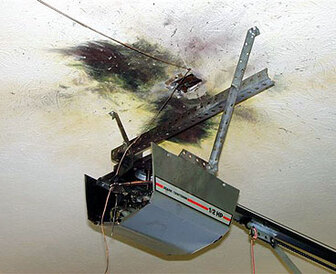
A broken or failing garage door motor can lead to slow operation, strange noises, or a door that stops midway or won’t open at all. Motors wear down over time due to age, internal gear damage, electrical issues, overheating, or lack of proper maintenance. Ignoring early warning signs can put strain on the entire system and may lead to costly repairs to the opener or door hardware. If your garage door hesitates, vibrates excessively, or the opener light blinks without lifting the door, your motor may be failing. Professional diagnosis ensures the problem is accurately identified and repaired. Replacing or servicing a failing motor restores smooth, reliable performance. Call or contact us for expert motor repair and replacement!
*"Motor" and "opener" are used interchangeably here, referring to the entire unit.*
Checking & Maintenance
Regular inspection of your garage door motor helps prevent sudden breakdowns and ensures consistent, dependable operation. Listen for unusual grinding or buzzing sounds, and check if the door moves slower than normal or stops unexpectedly. Make sure the opener is free of dust and that sensors and wiring are secure. Avoid forcing the door manually if the motor struggles—this can worsen the problem. Periodic professional maintenance can identify worn gears, electrical faults, or alignment issues before they cause a complete failure. Contact us for expert motor inspection, tune-ups, and maintenance!

Award Winning Firm
Rated 5 stars on Yelp & Google, we’re proud winners of the Angi Super Service Award (2023 & 2024) and Nextdoor Fave. Trust our expert team for top-quality, reliable garage door solutions!

Professional Workers
Our certified and trained technicians provide reliable, professional garage door services with a focus on quality and safety.

Licence & Insured
We are licensed, bonded, and insured, giving you peace of mind knowing that your garage door services are handled by trusted professionals.
Signs Your Garage Door Motor Needs Service
- Garage door opens or closes noticeably slower than normal
- Motor runs but the garage door does not move
- Garage door starts moving, then stops partway
- Delayed response after pressing the remote or wall button
- Unusual noises such as grinding, humming, rattling, or squealing
- Opener vibrates excessively during operation
- Garage door reverses unexpectedly while closing
- Intermittent operation where the door works sometimes but not others
- Motor feels hot to the touch or shuts off after repeated use
- Burning or electrical smell coming from the opener unit
- Flashing or blinking lights on the opener indicating a fault
- Garage door struggles more during cold or hot weather
Benefit of Service
Professional motor service from Doorgi Garage Doors restores smooth, reliable operation and helps prevent unexpected breakdowns. We almost always recommend a replacement motor over a repair service. A new healthy opener reduces strain on other parts, improves safety, and can enhance features like security and remote access older motors may lack. Quality service extends the life of your garage door system and gives you peace of mind. We recommend, sell and install these Liftmaster motors, however we will happily service and install any motors provided by our customers..Common Myths About Garage Door Motors Debunked
Myth #1: If the garage door won’t open, the opener must be the problem
Reality: Many “opener failures” are actually spring or balance issues.
From real-world discussions and service calls, one of the most common misunderstandings is confusing spring failure with motor failure. When a spring breaks or loses tension:
The door becomes too heavy
The motor may hum, stall, or shut off for safety
Continued use can damage the opener
In these cases, replacing the opener won’t fix the problem and may result in another failure if the underlying spring issue isn’t addressed first. If you believe a spring is failing, don’t attempt to replace it or play with nearby components. Doors can weigh as much as 850 pounds, and such components require professional inspection with the right tools for safe replacement.
Myth #2: Higher horsepower always means better performance
Reality: More horsepower doesn’t automatically equal better long term operation.
What actually matters is:
Proper torque for the door’s weight
Correct balance of the door
Matching the motor to the door size, weight and material
Simply adding an oversized high powered motor can mask underlying problems like worn springs or heavy doors causing excess strain on gears, rails, and brackets. Over time, this can lead to accelerated component wear and failure, not longer life. Poor surrounding components that are masked may likewise cause unneeded strain on the motor. Garage door systems must have balanced components and alignment for the door, and be tuned for maximize operation.
Myth #3: A noisy garage door motor always needs immediate replacement
Reality: Noise from the door system or motor alone doesn’t always mean the motor is failing or is near end of service life.
Most noise issues come from:
Loose mounting hardware
Dry unlubricated rollers, hinges, or chains
Worn but replaceable drive components
Poor door and component alignment
- Aged components and door panels
In many cases, basic maintenance or minor adjustments can significantly reduce noise without replacing the motor. Replacement is usually only needed when noise is paired with symptoms like loss of power, overheating, or erratic operation.
Myth #4: Garage door motors don’t need maintenance in milder climates like the Bay Area
Reality: Climate still plays a major role in motor lifespan — even in California.
In the Bay Area and surrounding regions:
Humidity coastal air and fog can lead to quicker corrosion on internal metal parts
Salt air accelerates rust on chains, rails, and fasteners
Seasonal temperature swings affect lubrication and electrical components
Annual inspections and light maintenance help prevent small issues from turning into full motor failure, even in moderate weather.
Myth #5: The motor and the remote do the same thing
Reality: They serve completely different roles.
The motor (opener) physically lifts and lowers the garage door
The remote or wall button only sends a signal
If the remote works intermittently or not at all, the issue may be:
Weak batteries
Signal interference
Faulty wall control or receiver
Replacing the motor when the real problem is the remote or control system leads to unnecessary costs.
Additional Questions around Garage Door Motors
Price and cost expectations are one of the biggest concerns people search for before booking service. At Doorgi Garage Garages, we almost always recommend replacement over repair of motors. Typical ranges for individual motors run around $250–$600+. The listed price for LiftMaster motors on our site factors in the motor, the mechanism for movement, and the installation labour. Click to learn more about these LiftMaster motors.
All the LiftMaster motors we sell have a manufacturer warranty of 5 years on the opener unit itself, and at least one year on parts, backup batteries and accessories. We provide a 1 year labor warranty both for motors we sell and those provided by customers, with fixes in that time coming free of charge. Click here if you wish to know more about our warranties.
Place a roll of paper towels or a small box in the door’s path, then close the door. It should automatically reverse when it touches the object. If not, your safety sensors may be misaligned or malfunctioning—call for service immediately. Test this feature monthly to keep your system safe.
Common reasons include:
Dead batteries
Signal interference
Disconnected power
Faulty logic board or remote
Try replacing the battery, checking for obstructions, and reprogramming the remote. If it still doesn't work, a technician can diagnose the issue.
